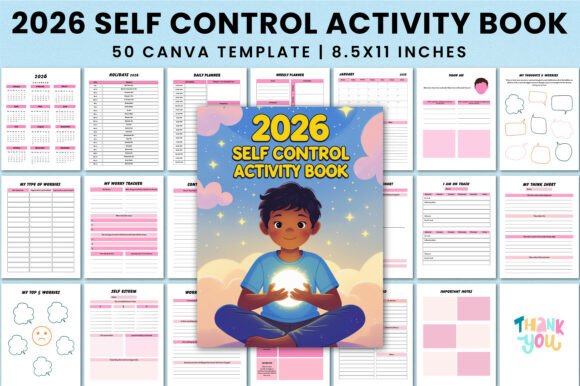
Why the 2026 Self-Control Activity Book Is a Game-Changer for Kids’ Emotional Development
Teaching children self-control isn’t about demanding obedience—it’s about nurturing the inner tools they need to pause, reflect, and choose wisely. In a world of instant notifications, rapid transitions, and rising academic and social pressures, kids today face unprecedented challenges in regulating emotions, managing worries, and sustaining focus. That’s where the 2026 Self-Control Activity Book steps in—not as another workbook, but as a compassionate, research-informed companion designed specifically for modern childhood.
What Exactly Is the 2026 Self-Control Activity Book?
The 2026 Self-Control Activity Book is a thoughtfully structured KDP (Kindle Direct Publishing) resource created for children ages 6–12. Unlike generic coloring or puzzle books, this activity book integrates evidence-based strategies from cognitive behavioral therapy (CBT), mindfulness practices, and social-emotional learning (SEL) frameworks—all wrapped in age-appropriate, joyful design.
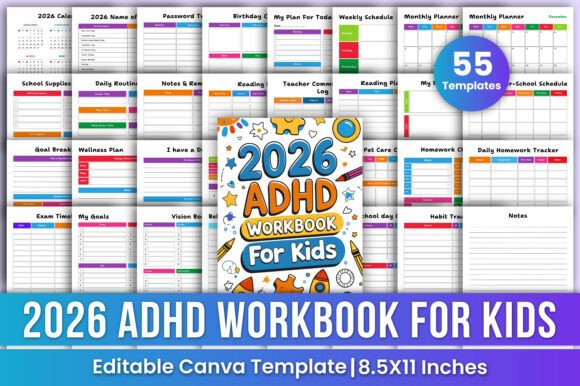
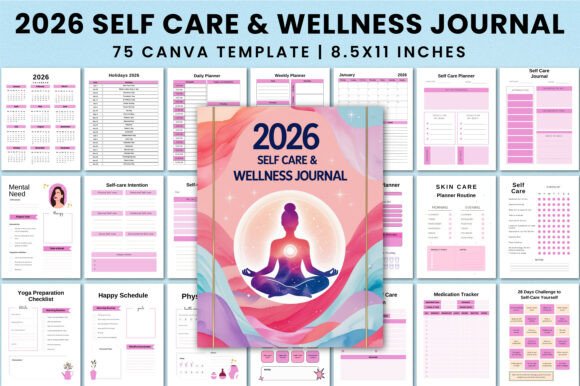
It’s not just “for 2026” because of its calendar year—it’s built around it. Every page aligns with real-world time structures: a 2026 calendar, 2026 holidays, daily and weekly planners, and a full monthly planner (January–December). This intentional scaffolding helps children connect abstract emotional concepts—like patience or impulse control—to tangible, lived experience.
How It Builds Real, Lasting Skills—Not Just Busywork
Self-control isn’t an innate trait you either have or don’t. Neuroscience confirms it’s a learned skill, strengthened through repeated, supported practice—much like building muscle. The 2026 Self-Control Activity Book supports that growth with purposeful, sequential activities:
- My Worry Boat and My Type of Worries help kids externalize anxiety—turning vague, overwhelming feelings into something nameable, visual, and manageable.
- My Anger Tracker and My Heart Control teach physiological awareness—linking racing heartbeats or clenched fists to emotional states, then guiding gentle regulation techniques.
- Things That I Control vs. Things That I Cannot Control introduces cognitive flexibility and reduces helplessness—a foundational lesson for resilience.
- Pros and Cons Chart and I Learn From My Past foster reflective decision-making, moving kids beyond reactive choices toward thoughtful action.
- My Think Sheet and Worry Exploration build metacognition—the ability to “think about thinking”—a predictor of academic success and emotional maturity.
Each exercise is brief (5–10 minutes), low-pressure, and printable-friendly—making it ideal for home use, classroom SEL blocks, or counseling sessions. There are no right-or-wrong answers; instead, every page invites curiosity, honesty, and self-compassion.
More Than Emotions: A Holistic Toolkit for Modern Childhood
Parents and educators often assume self-control means “staying still” or “not talking back.” But true self-regulation encompasses far more:
- Attentional control (e.g., staying on task during homework despite distractions)
- Emotional regulation (e.g., naming frustration before yelling)
- Behavioral inhibition (e.g., raising a hand instead of shouting out)
- Cognitive flexibility (e.g., adapting when plans change unexpectedly)
- Goal-directed persistence (e.g., finishing a project even when bored)
The 2026 Self-Control Activity Book addresses all five dimensions—not in isolation, but in context. For example, My Worry Time Worksheet teaches time-bound emotional expression (so worries don’t hijack the whole day), while Getting Ahead links small daily choices—like completing a planner entry—to long-term confidence.
Who Benefits—and How?
This book serves three key audiences—each with distinct, practical needs:
For Parents
Many caregivers feel ill-equipped to guide big feelings without resorting to punishment or dismissal. The 2026 Self-Control Activity Book offers neutral, nonjudgmental language and visuals—making conversations about anger, worry, or disappointment easier to start. Pages like Draw Me and Self-Reflection open doors to connection without interrogation. Plus, the built-in 2026 daily/weekly/monthly planners gently introduce routine and responsibility—two pillars of self-discipline.
For Teachers & School Counselors
With limited SEL time and diverse student needs, educators need flexible, ready-to-use tools. This book works as a station rotation, morning meeting anchor, or individualized intervention. Activities like My Safety Tracker support trauma-informed practice, while Areas of My Life That Are Really Important to Me align with character education standards and promote identity development.
For Therapists & Mental Health Practitioners
Clinicians appreciate how pages like My Anger Tracker and My Worry Tracker generate concrete data—revealing patterns across days or weeks. These aren’t diagnostic tools, but valuable conversation starters that empower children to become co-authors of their healing journey.
Dispelling Common Misconceptions
Before adopting any SEL resource, it helps to clarify what self-control isn’t:
- ❌ It’s not suppression. This book never asks kids to “just stop feeling.” Instead, it validates emotions first (“Yes, that worry is real”) before guiding skill-building.
- ❌ It’s not one-size-fits-all. The variety—from coloring (Rainbow Self-Esteem) to logic (Pros and Cons Chart)—honors different learning styles and neurodiversities.
- ❌ It’s not only for “problem” kids. Just as math workbooks aren’t just for struggling students, self-control practice benefits every child—building preventative emotional fitness, not just crisis response.
Why Timing Matters: The 2026 Advantage
Using a 2026-specific planner and calendar does more than keep dates accurate. It grounds emotional learning in reality. When a child marks their Worry Time each Tuesday in March—or celebrates progress on I Am on Track beside Easter Sunday—they’re practicing self-control in context. They see how consistency builds over weeks, how holidays bring predictable shifts in routine, and how planning supports calm—even during transitions like summer break or back-to-school.
This temporal alignment also makes the book reusable across settings: homeschool families can follow the calendar chronologically; schools can adapt pages to match their academic year; therapists can use dated trackers to monitor therapeutic goals.
Final Thought: Confidence Grows From Competence
Children don’t gain confidence by being told “You’re great!”—they gain it by experiencing themselves as capable. Every completed Think Sheet, every filled-out Safety Tracker, every colored-in Heart Control page is evidence to a child: “I can notice. I can choose. I can grow.”
The 2026 Self-Control Activity Book doesn’t promise perfection. It promises presence. It replaces shame with strategy, overwhelm with ownership, and reactivity with reflection. In doing so, it meets a quiet but urgent need—not just for 2026, but for every year after.
Ready to support your child’s emotional foundation? The 2026 Self-Control Activity Book is available now for download and print—designed to be used daily, revisited often, and cherished as a keepsake of growth.